
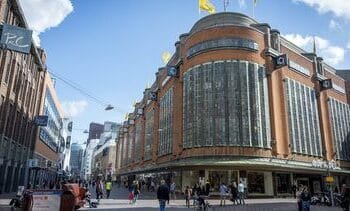


This weekend Carnaval breaks loose in the southern part of the Netherlands, and attending – or avoiding – the festivities are a key part of becoming Dutch.
Lesson 62: Carnaval
In Brazil they have the famous Rio Carnival; in Greece, Italy and other parts of the southern Mediterranean religious parades take place through towns large and small. In the Netherlands, predominantly in North Brabant and Limburg, we have carnaval – without either the sparkly costumes or the religious overtones.
Where does the name come from?
Carnaval derives from the latin, carne vale, meaning farewell to meat, and takes place over the weekend ahead of the six-week period of Lent. This year the celebrations start on Friday February 13, but will keep on going well into Tuesday with parades and parties – unless the beer runs out.
Where to celebrate?
Public carnaval events are on throughout North Brabant and Limburg, but also spread as far as Gelderland, Twente and some parts of Zeeland. The biggest cities, such as Maastricht, Breda and Den Bosch, are focal points, but most towns and villages have their own community focused parties too.
The Dutch tradition is particularly anarchic and increasingly secular and satirical. Towns and cities change their names – Den Bosch becomes Oeteldonk; Bergen op Zoom Krabbegat and Tilburg Kruikenstad.
Normal life grinds to a halt. Shops and businesses shut or have different opening hours and roads are blocked for parades and events.
Also, don’t be surprised if you suddenly start questioning your command of the Dutch language. Many posters, adverts for events and folks attending them will switch over to dialect in the carnival season. Greet people with the ubiquitous and chirpy Alaaf!, with accompanying hand gesture and you’ll feel at home immediately.
And the music?
Beer and oompah music is key part of carnaval, a little like the Oktoberfest celebrations in Germany and the border regions. Every year there is a classic carnaval hit – like the classic in this collection of singalong songs.
Who is Prince Carnaval?
Each town or village will appoint their own Prince Carnaval, and today increasingly a Princess Carnaval. On the opening day of the celebrations they are ceremoniously handed over the keys to the town by the mayor. For the next three or four days they are nominally in charge.
What’s the significance of 11?
The official carnaval season begins on November 11, or 11.11, a day which is now almost as busy as carnaval itself – 11 being the fool’s number in the Netherlands.
The towns and villages organising carnaval events will set up meetings of “‘court” or the organising ‘”Council of 11″ in the run-up to the festival.

And the costumes?
Traditional carnaval costumes are similar to the Comedia de Arte masques of the Venice Carnival and role reversal also comes prominently into play. Nowadays pretty much anything goes costume wise.
Maastricht is well known for particularly spectacular costumes (pekskes) and face painting. Howeve, this year the organisers in Den Bosch have called for an end to “banana” costumes and a return to the farmer’s smock, as part of an initiative to get back to the roots of the tradition.
If it all sounds like too much, what should you do?
Head north. The further north you go, the less carnaval there is.