

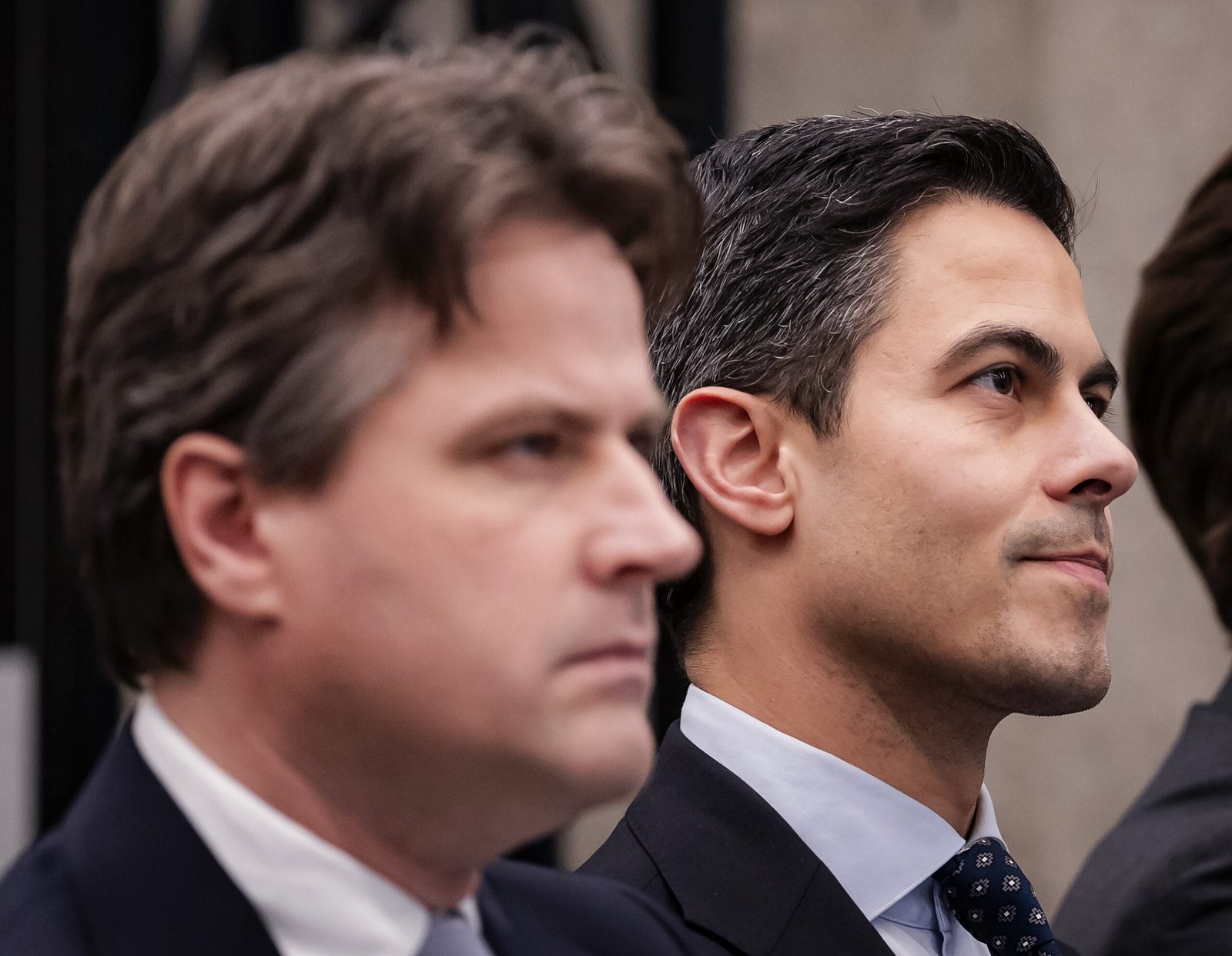
The two parties working to form a new Dutch government, D66 and CDA, have produced a joint policy document that they hope will form the basis of a coalition agreement.
Sybrand Buma, the former CDA party leader chairing the negotiations, said he would talk to all parties in parliament over the next week to gauge support the two parties’ ideas, either as coalition partners or through confidence and supply agreements.
The progressive-liberal D66 and the Christian Democrats have spent the last two weeks brainstorming five key policy areas: housing, migration, the economy, nitrogen reduction and defence.
The parties want to retain the contentious “spreading law” that requires all councils to house a proportionate share of refugees but also introduce stricter asylum rules.
They also set out plans to phase out mortgage income tax relief for homeowners – an idea strongly opposed by the right-wing parties VVD and JA21 – and build 21 large-scale housing projects across the country.
“Ambitious agenda”
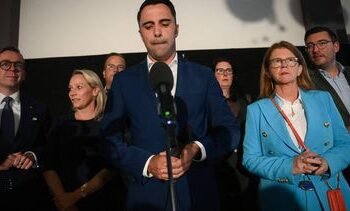
The two leaders, Rob Jetten of D66 and Henri Bontenbal of CDA, stressed that they had left plenty of scope for other parties to include their own ideas, particularly on how to finance their “positive and ambitious agenda”.
Jetten said the 17-page document was “not a detailed coalition agreement but an outstretched hand”, while Bontenbal called it an “open invitation to hold talks with other parties”.
Both leaders talked up the constructive and harmonious nature of their discussions in the last two weeks and pointedly contrasted it with the fractious relations between the partners in the last right-wing coalition.
“A lot of people in this country have seen politicians in recent years do nothing but put off solutions when we so badly need to see progress and results,” Jetten said.
Bontenbal said he and Jetten shared “a wish to do politics differently: constructively, respectfully and with a focus on substance”.
“We are building bridges to haul ourselves out of the trenches and help the Netherlands move forward,” he said.
Open mind
Buma said some topics had deliberately been left out of the interim report, such as justice, education and government reforms, to give other parties the chance to put their own stamp on a future coalition agreement.
“I hope that other parties will look at this agenda witth an open mind,” Buma said. “It should be read as an invitation that hopefully other political parties, but also organisations in society, social partners and other branches of government can find opportunities to co-operate.”
He said he would consult other parties over the next week before submitting his final report to parliament on December 9.