



Some 4,000 paintings and items of personal property looted by the Nazis during World War II but never returned to their rightful owners should be given a new lease of life, according to a government commission.
The “heirless works” collection should be transferred to the Jewish community and part should be made accessible to the public, the commission led by former minister Lodewijk Asscher said in a report presented at the Holocaust Museum in Amsterdam on Wednesday.
The paintings, furniture, rugs and porcelain were stolen or purchased at a fraction of the price by the Nazis from their Jewish owners and were returned to the Netherlands after the war.
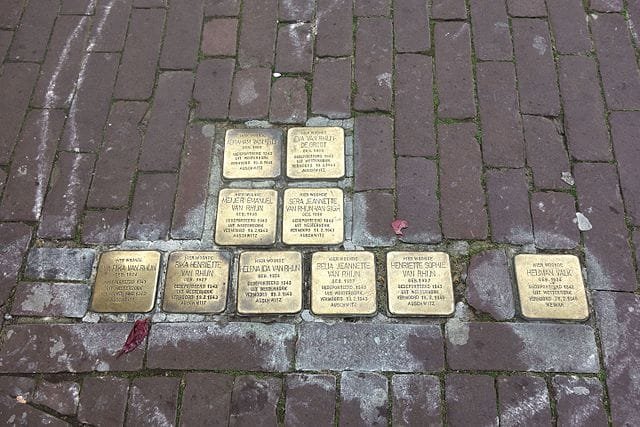
Part of the collection found its way back to the rightful owners and part was sold off. The remaining objects could not be traced to their original owners or their heirs, most likely because entire Jewish families perished in the death camps.
“We feel it’s important to release these artworks from the no-man’s land where they have been for so long. These are objects which can tell a modern audience about the importance of the rule of law and equal rights,” Asscher told broadcaster NOS.
“All these objects have been brought together by history and we think it would be a shame not to do anything with them,” he said.
Some of the paintings in the collection are already on display, for instance in the Rijksmuseum and the Mauritshuis, very often with little context. “People should realise that the object they are looking at once belonged to a person who was murdered,” Asscher said.
The management of the collection should be put into the hands of an independent association which will manage and display the collection, the commission recommended. It would also make sure none of the remaining objects would be sold.
“Perhaps one day someone will come along who says: this belonged to my family. Then we must be able to return it,” Chanan Hertzberger, chairwoman of the Centraal Joods Overleg (CJO) said.
The commission has recommended the association receive a €400,000 annual subsidy for its activities, which should include exhibitions and educational projects.
Thank you for donating to DutchNews.nl.
We could not provide the Dutch News service, and keep it free of charge, without the generous support of our readers. Your donations allow us to report on issues you tell us matter, and provide you with a summary of the most important Dutch news each day.
Make a donation