



Asylum seekers arrived in Loosdrecht on Tuesday evening and were met by protestors who set fire to shrubs surrounding the building. Riot police were called in to clear the area after firefighters were obstructed; several people were arrested for arson and disorder.
The fire broke out at around after a crowd of 300 to 400 protestors gathered outside the disused town hall in Wijdemeren, near Hilversum, threw torches and strong fireworks at the building.
The shrubs and trees against the wall caught alight and one torch landed on the roof, according to regional broadcaster NH Nieuws. Officers trying to put out the fire were also pelted, and firefighters were initially held back. The 15 asylum seekers and staff who were inside the building were unharmed.
Prime minister Rob Jetten branded the acts “utterly scandalous” on social media, adding that “you’re always allowed to voice your concerns. But using violence is never acceptable.”
Emergency order
Loosdrecht council had not announced the arrival of the first refugees in advance because of weeks of unrest over the plan, which will accommodate up to 70 single male asylum seekers for six months in an empty section of the council building. The original target of 110 was cut to 70 last month after earlier protests.
Demonstrations have continued in other parts of the country. Apeldoorn demonstrators also gathered for the fifth consecutive evening at a roundabout in the De Maten neighbourhood, where the council plans to house 240 asylum seekers in a former school building. Police said at least five people were arrested for setting off fireworks.
Over the weekend, 26 people were arrested in Apeldoorn on Saturday, 11 on Sunday and four on Monday, in consecutive nights of rioting.
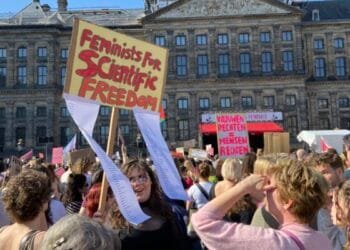
There were also rival demonstrations in The Hague, where officers kept pro- and anti-asylum groups apart at the site of a planned shelter, according to regional broadcaster Omroep West.

National security investigation
Hours before the violence in Loosdrecht, asylum minister Bart van den Brink told MPs that the Dutch security service AIVD had begun investigating the recent wave of anti-asylum protests.
The agency is examining “whether there is organised activity” behind the rallies and “what patterns there are and what lies behind them”, he said in parliament. He declined to say whether foreign interference is part of the scope, according to broadcaster NOS.
Denk MP Ismail el Abassi told the debate that the protests showed “a pattern of hate and violence” and used the term “anti-asylum-centre terrorism”. Van den Brink, of the centre-right CDA, rejected the framing, saying motives for criminal acts are for the public prosecution (OM) and the courts to determine.
Opposition to spreading law
Right-wing parties used the debate to attack the so-called spreading law, which obliges municipalities to provide a proportionate share of asylum places by July 1.
Anti-immigration PVV leader Geert Wilders called for the law to be repealed and urged councils to refuse to comply. Simon Ceulemans, an MP for the Far right party JA21, said the cabinet was confronting residents “from one day to the next with something they don’t want”.
Van den Brink replied that he was implementing legislation passed by a parliamentary majority.
Refugee reception agency COA needs to find places for 103,000 people this year. About 80,000 places have been allocated, leaving a shortfall of 23,000 against the target. A recent research synthesis found that residents living near asylum centres tend to rate local safety lower in the first year after opening and recover to pre-opening scores in the years that follow.