


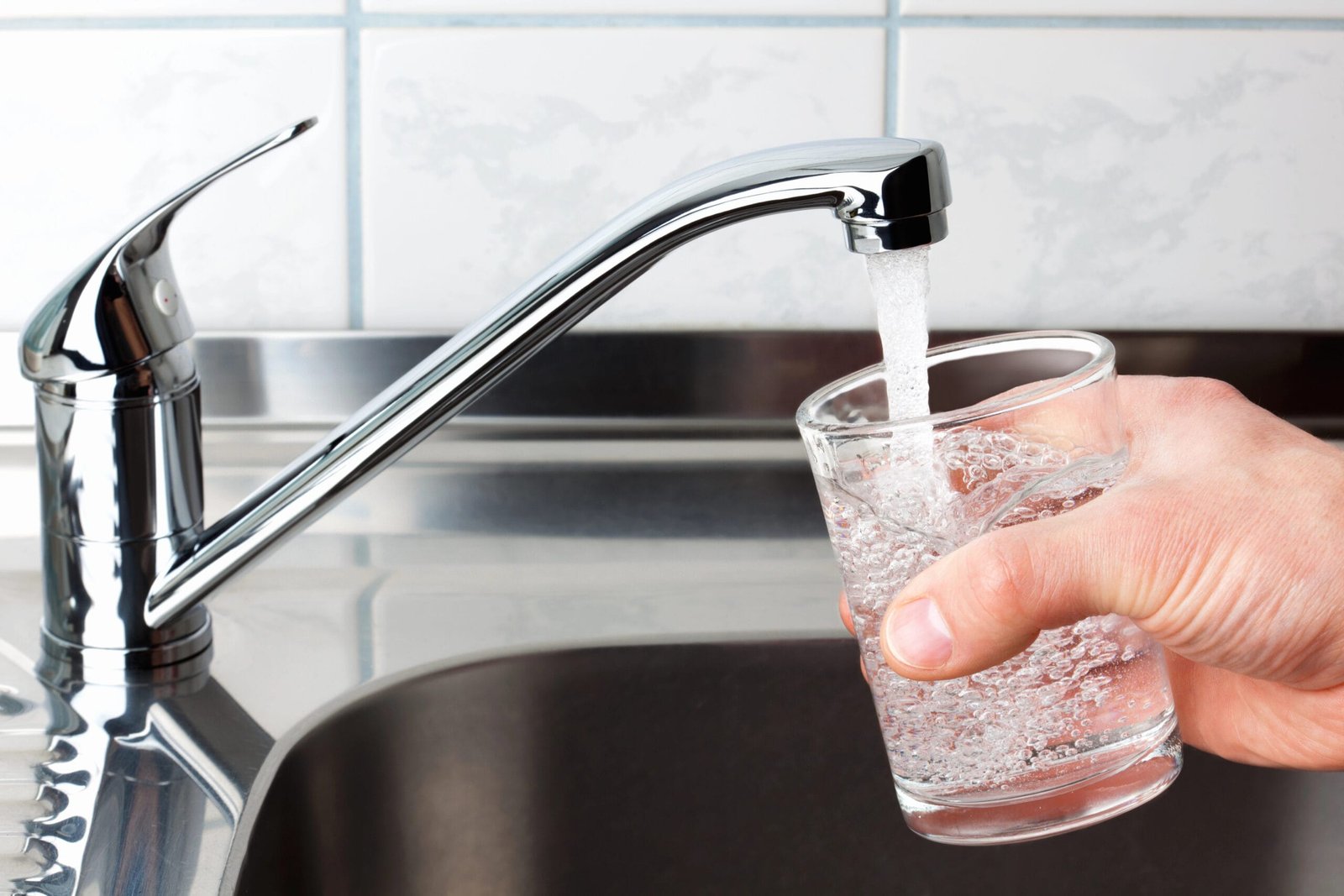
The Netherlands faces serious challenges to its drinking water supply in the coming decades, a government advisory board has warned.
The environment and infrastructure think-tank RLI is now calling on the government to take immediate action to safeguard the quality and affordability of water for future generations.
The council warns that climate change, water pollution and population growth are placing increasing pressure on the country’s freshwater system, which includes groundwater, ditches, rivers and lakes.
This system is the primary source of drinking water, but is becoming increasingly contaminated by chemicals, medicines and pesticides, the board said. Drought caused by climate change is also reducing the amount of water available to households and industry.
Drinking water companies will need to produce ever greater quantities as the population and economy grow, but the council says the problems with the freshwater system go beyond what individual companies can tackle alone.
The board is calling on infrastructure minister Vincent Karremans to take the initiative in drawing up a national drinking water strategy. This strategy should include plans for a future-proof water supply, set out how governments and water companies will work together, and establish a financing framework, the agency said.
The council also recommends that the national government take a financial stake in drinking water companies, allowing it to contribute to the investment which will be needed to ensure safe water stocks.
The Dutch use relatively large amounts of drinking water while paying relatively little for it, the board said. Tariffs will need to rise to fund investment and encourage conservation, and this would be best done via water meters for every household. People who use an excessive amount of water, the board said, should pay higher tariffs.
The government said two years ago that the Dutch should use no more than 100 litres of drinking water a day, some 34 litres less than the current norm, but efforts to reduce consumption have not had much impact.
And the public health agency RIVM warned in 2023 that all 10 water providers could be facing shortages by the end of the decade as demand increases. “Action is needed now to find new sources of drinking water”, the RIVM said at the time.