


The Dutch government knew in the 1980s that Iraq was developing chemical weapons but allowed Dutch companies to continue supplying it with key ingredients, and later misled parliament about its role, according to research by investigative journalism platform Follow the Money.
Archive documents from the foreign ministry and the BVD security service show army intelligence had satellite images of Iraqi poison gas factories by 1984 and detailed lists of chemicals bought by the regime, FTM reported on Monday.
The intelligence reports named two Dutch firms, KBS Holland and Melchemie, among the suppliers. According to FTM, the state did not intervene in some shipments to avoid endangering intelligence sources.
American and Israeli officials repeatedly warned The Hague that Iraq was buying ingredients for mustard gas and nerve agents in the Netherlands, the documents show, but the exports continued.
Frits Bolkestein, then a junior economic affairs minister and later VVD leader, pushed to keep the list of chemicals requiring an export licence as short as possible, arguing Dutch firms would otherwise lose out to Belgian competitors.
Parliamentary questions
When MPs asked questions in 1986, Bolkestein’s answers left out the American and Israeli warnings, FTM found. And when socialist party MP Krista van Velzen asked more than 50 questions between 2005 and 2008, after the arrest of poison gas trader Frans van Anraat, successive ministers again withheld crucial information.
Justice minister Piet Hein Donner told MPs in 2005 that KBS Holland had never been the subject of an investigation, although the BVD had been monitoring the firm since at least 1982. “I was lied to, deliberately and knowingly,” Van Velzen told FTM. “In a democratic country that is an unforgivable misstep.”
Constitutional law professor Wim Voermans said the government looked away and gave parliament incomplete and incorrect information, and said a parliamentary inquiry should be held even now.
Halabja attacks
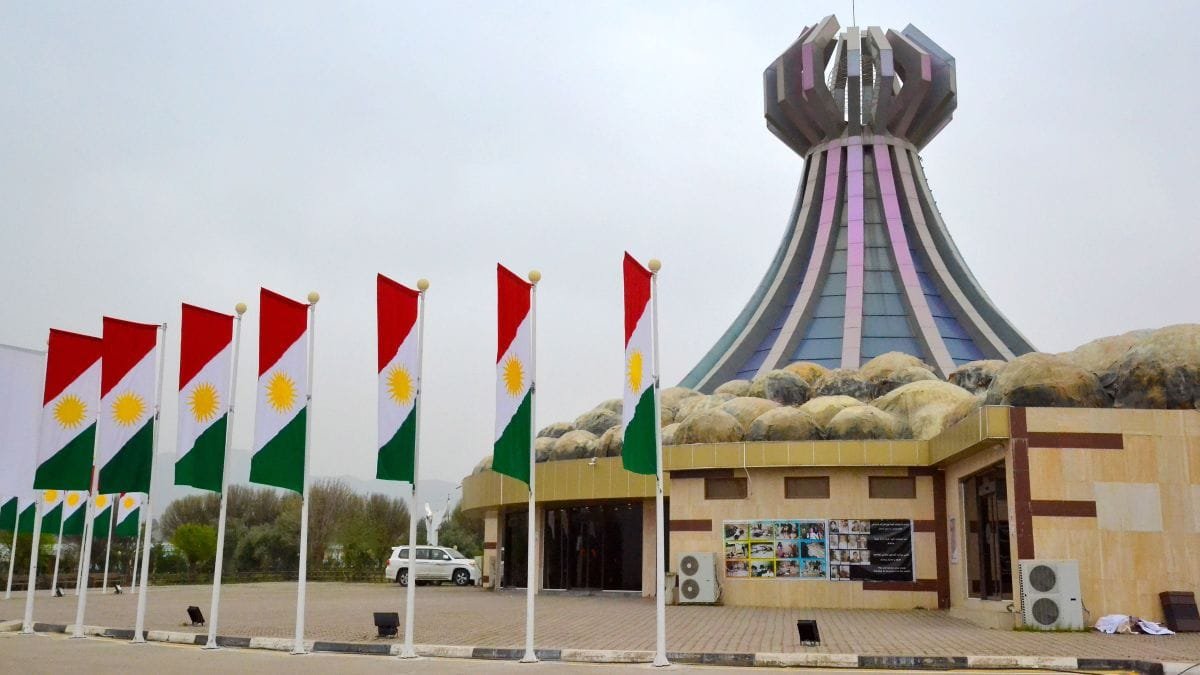
An estimated 100,000 people were killed in gas attacks by Saddam Hussein’s regime, including 5,000 in the Kurdish town of Halabja in March 1988. Even after Halabja, officials noted that Dutch firms were still shipping tens of tonnes of a chemical that TNO experts considered likely to be used in gas production.
Five Iranian victims of mustard gas attacks are currently suing Melchemie’s legal successor, and the Hague appeal court is due to rule in September.
The foreign ministry told FTM that export controls were in their infancy in the early 1980s and that decisions were taken on the basis of the information and rules of the time. Donner did not respond to FTM’s questions and former foreign minister Ben Bot said he was unable to because he was on holiday.