





If you want to open the door to a new home in the Netherlands – against fierce competition, questions about quality and a totally foreign process – you might need a bit of help.
Cherene Kruger set up Homes for Expats after realising how complex it can all be, and her all-female team of nine promises honesty above all.
“I’m an expat,” says the estate agent from South Africa. “I’ve lived the journey. I’ve relocated here with my family. I’ve been through the process of renting and buying a home here. So I understand all the emotions that go with it. And I think I have a different perspective to somebody that has lived here their whole life.”
Plenty of Dutch estate agents speak English, but Homes for Expats prides itself on honesty and putting clients first.
“We insist on a technical inspection for every purchase and if alarm bells are going off, we will tell our clients — sometimes that means advising them to walk away and find another home instead. We understand that renting, buying or selling a home in the Netherlands is emotional, and that people need support and guidance through the process, not to be treated like just another transaction.”
“Many of our clients right now are coming from America – a lot of them feel unsafe, and unsure of the future,” says Kruger. “We have an empathetic perspective, a caring element that I think isn’t often seen here.”
Duped
Many people who invest in employing Homes for Expats are concerned that they might be taken advantage of by unscrupulous makelaars, the Dutch for estate agent. And, indeed, the company stresses that the first rule is to forget everything you know from your home country, because the Dutch market is almost certainly not the same and internationals can sometimes be duped.
“From a financial perspective, people see expats as gold mines,” says Kruger. “But not every international coming here is wealthy – and that perspective needs to change.”
Her firm is sometimes involved in helping people after they have fallen victim to rental scams on Facebook or through messages. The hard lesson is always that if it seems too good to be true, it is. But being represented by the agency — which vouches for you as a tenant — can help you secure a viewing and find a rental.

Tips
The Netherlands has some of Europe’s most expensive housing and, according to the European Central Bank, Dutch property has rarely been more overpriced. If you are planning to stay for three to five years, or more, thanks to a large tax break for homeowners, it can still make financial sense to buy – but people staying for up to two years might be best renting.
Homes for Expats often advises internationals to rent first before buying, so they have time to really get to know an area and see whether it feels right for them. It also gives people the opportunity to speak to neighbours, understand the building culture in the area and notice whether there are lots of renovations or structural works happening nearby. That way, when the time comes to buy, they know what questions to ask and what potential issues to look out for.
Around 425,000 homes – one in 20 nationally – needs urgent foundations repair and since April every house valuation must have an A to E label to indicate their state. This can be a sign to do formal investigation and can affect the mortgage you can borrow.
“I think the biggest thing right now is foundational issues, especially in places like Amsterdam, Haarlem and Leiden,” says Kruger. “See if there are cracks on the outside of the building, if the windows or doors are skewed, if there’s a drop when you walk into the front door – then there has definitely been movement in the building and you have to ask the right questions. Most foundational issues are not covered by standard building insurance. That’s why having a makelaar with you can really help.”
If a house is vulnerable to flooding, there might be things that you can do – so price them into an offer. But since foundations repair typically costs around €100,000, it is important to understand whether a property is vulnerable in places like the Dutch capital, Rotterdam and Dordrecht. “Ask about the foundations integrity and when it was last checked,” advises Kruger.
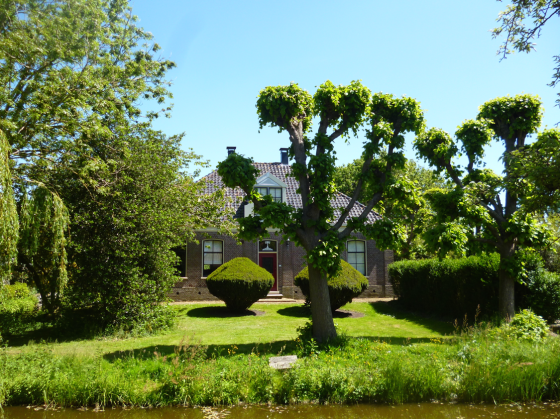
The Dutch market is picking up after a slow start to the year, and it’s worth looking at villages around the cities for a better deal. Be guided by your agent if you are planning to offer over the asking price because there’s no point in paying too much. And always do that building survey, in addition to the “valuation” taxatie you need for your mortgage.
“That is a non-negotiable with us,” says Kruger. “And if anybody tells you to leave out a building inspection, ask them what they’re trying to hide. I tell all my clients, whether you work with me or not, insist on a building inspection. It costs €450 and it is worth its weight in gold.”
If things don’t feel right with the selling agent – who is never your friend if you are buying – Homes for Expats is uncompromising. “My job is to look after my clients. I tell it like it is — and if that makes sellers or their agents uncomfortable, so be it,” she adds.
That said, once you have found the right home and agreed a price, the buying process in the Netherlands can move surprisingly quickly. If you include a financing clause in your offer and already have all your documents ready for a mortgage, it is often possible to complete the purchase and move in within around six weeks, provided there are no major renovations needed. Above all, says Homes for Expats, buying a home should be an amazing experience.
“I want my clients to feel like they have had the best service they’ve ever experienced, because buying a home in the Netherlands is a really big deal,” says Kruger. “We take what we do very seriously. We love what we do and we want our clients to feel that in the service they receive. Best of all, we get to be part of people’s joy, and that for me is absolutely the best part.”
Contact Homes for Expats for advice on buying, selling or renting a property in the Netherlands.