



See more DutchNews articles in your Google search results
See more DutchNews articles in your Google search results
Add as a favourite source on Google Add DutchNews as a favourite source on Google
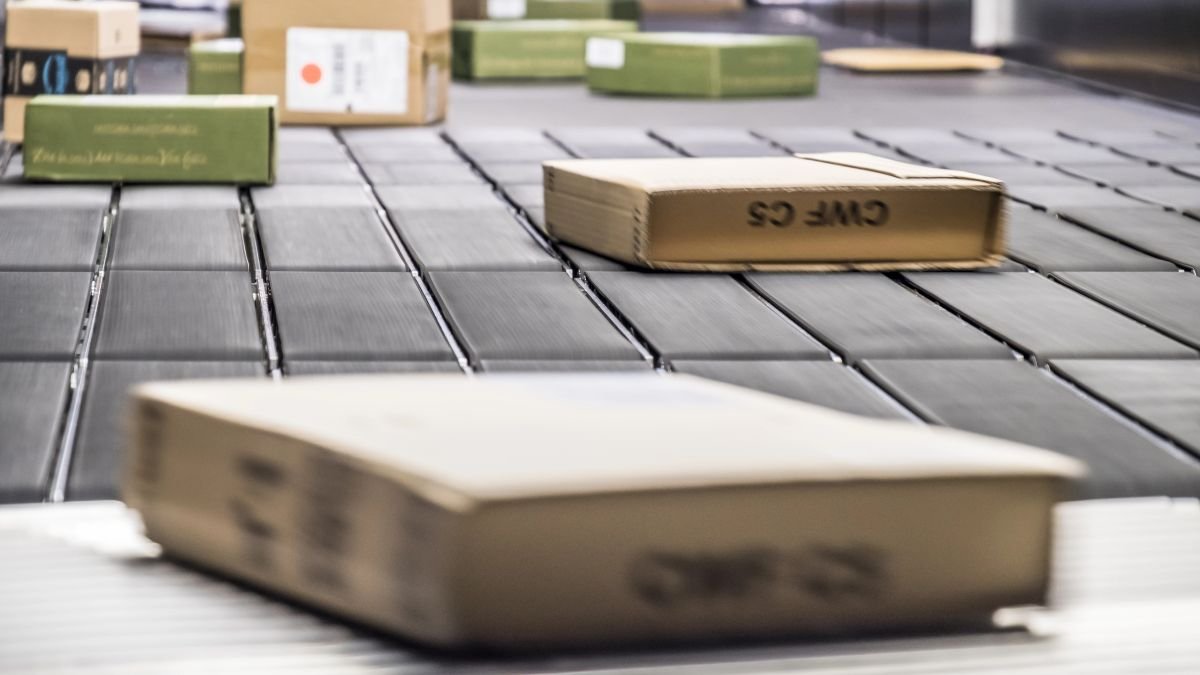
The number of small parcels arriving in the Netherlands from outside the EU fell by 46% in July and August compared with the previous six months, according to customs figures presented to parliament. It is the first clear sign that a new €3 import charge is changing the flow of cheap goods from China.
The drop was revealed by Eelco Eerenberg, the junior finance minister responsible for customs, during a debate in parliament on Tuesday.
Around one million such parcels were arriving in the Netherlands each day before the change, 80% to 90% of them from Chinese platforms such as Shein, Temu and AliExpress.
Since July 1, a new EU-wide charge of €3 has applied to parcels worth up to €150 sent from outside the bloc, which were previously exempt from import duties. The fee is levied per type of product rather than per parcel, so an order containing several different items can be charged more than once.
Customs officials say online retailers are already changing how they operate, moving away from sending millions of individual packages and instead importing goods in bulk to store in warehouses inside the EU before shipping them on to shoppers. The same shift has been seen in France and Belgium.
“The figures give a first indication that fewer loose parcels are going straight to the consumer,” Nanette van Schelven, director-general of the Dutch customs service, told broadcaster NOS, “which makes it easier for us to check whether products are safe.”
A single large shipment is easier to screen for unsafe or banned goods, she said, than a constant stream of separate parcels.
The Dutch share
The charge raised about €134 million in import duties in July alone, of which roughly a quarter went to the Dutch treasury. Customs duties are collected as an EU revenue source: member states keep a share to cover the cost of collection and pass the rest to Brussels.
The Netherlands had drawn up plans for a national surcharge of its own on cheap parcels but dropped them in January, choosing to rely on the EU charge after France and Belgium shelved similar schemes and Brussels brought its levy forward.
Thank you for donating to DutchNews.nl.
We could not provide the Dutch News service, and keep it free of charge, without the generous support of our readers. Your donations allow us to report on issues you tell us matter, and provide you with a summary of the most important Dutch news each day.
Make a donation