


An investigation into Dutch media coverage of weight loss drugs that led to several outlets being fined for breaching advertising laws was prompted by a complaint from a rival manufacturer, NRC reports.
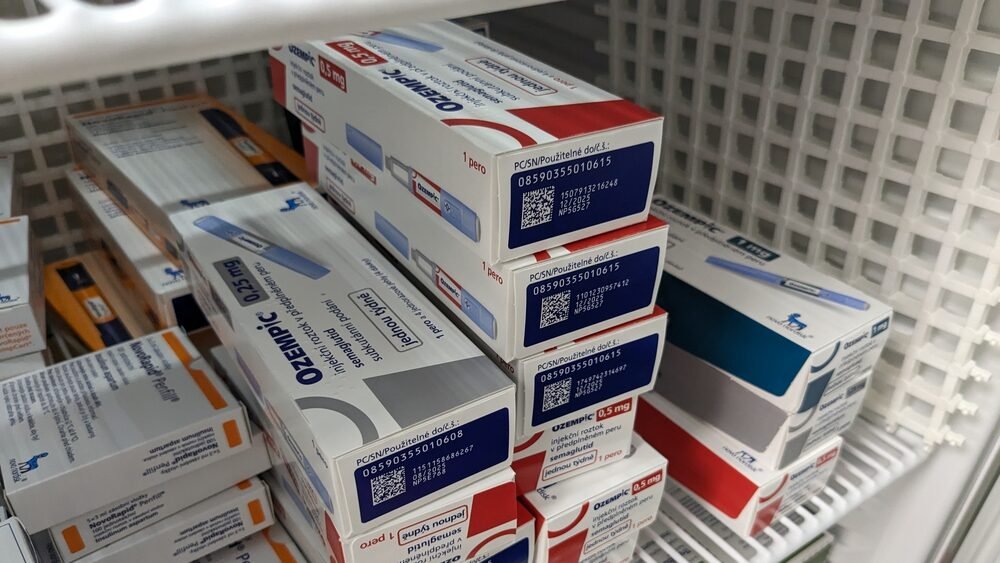
Newspapers including NRC, the Telegraaf, the Volkskrant and AD were sanctioned by the health inspectorate IGJ in August, when it ruled that articles about medicines such as Ozempic, Wegovy and Mounjaro were too positive.
NRC said its lawyers had discovered that the IGJ acted after being asked to enforce the Medicines Act, which bans advertising of prescription drugs, by Goodlife, which manufacturers the slimming drug Mysimba.
One of Goodlife’s objections was that the artlcles in NRC and the Volkskrant were unbalanced because of the “complete absence of references to Mysimba in the majority of media reports”.
The Dutch Medicines Act was passed in 1992 to protect public health by banning commercial companies from advertising drugs that are only available on prescription. In many countries drugs such as Ozempic are used for weight loss, but doctors in the Netherlands are only allowed to prescribe them for diabetes.
Commercial battle
Lucas Brouwers, deputy editor of NRC, said: “Apparently the IGJ did not chance upon the articles in NRC itself, but was pointed towards them by a company that sells a rival slimming medicine.
“We are very concerned that the media are being dragged into a commercial battle through the inspectorate.”
Volkskrant editor Pieter Klok said if the fines were upheld, it would make it almost imposslble for health reporters to write about developments in medical treatment.
“This makes it even worse,” he said. “I already had major objections on principle, but now it is becoming very arbitrary. The IGJ must not allow itself to be used by competing parties.”
Maartenm Kok, medical director of Goodlife, told NRC that reporting on obesity treatments in the Dutch media “gave a one-sided and incomplete picture in which only a limited number of medicines were repeatedly and overwhelmingly positively highlighted.“
Nieuwsuur threatened
DPG Media and Mediahuis, the owners of the newspaper titles, are appealing against the fines.
Goodlife also asked the IGJ to investigate TV current affairs show Nieuwsuur after it broadcast a four-part series into the effects of medicines such as Ozempic that work by simulating the effect of the natural hormone GLP-1, which tells the brain the stomach is full.
The company threatened to seek an injunction against the programme after reporter Lune van der Meulen rejected its demand to include Mysimba in the series, but dropped the action after she said on air she had been contacted by a distributor.