


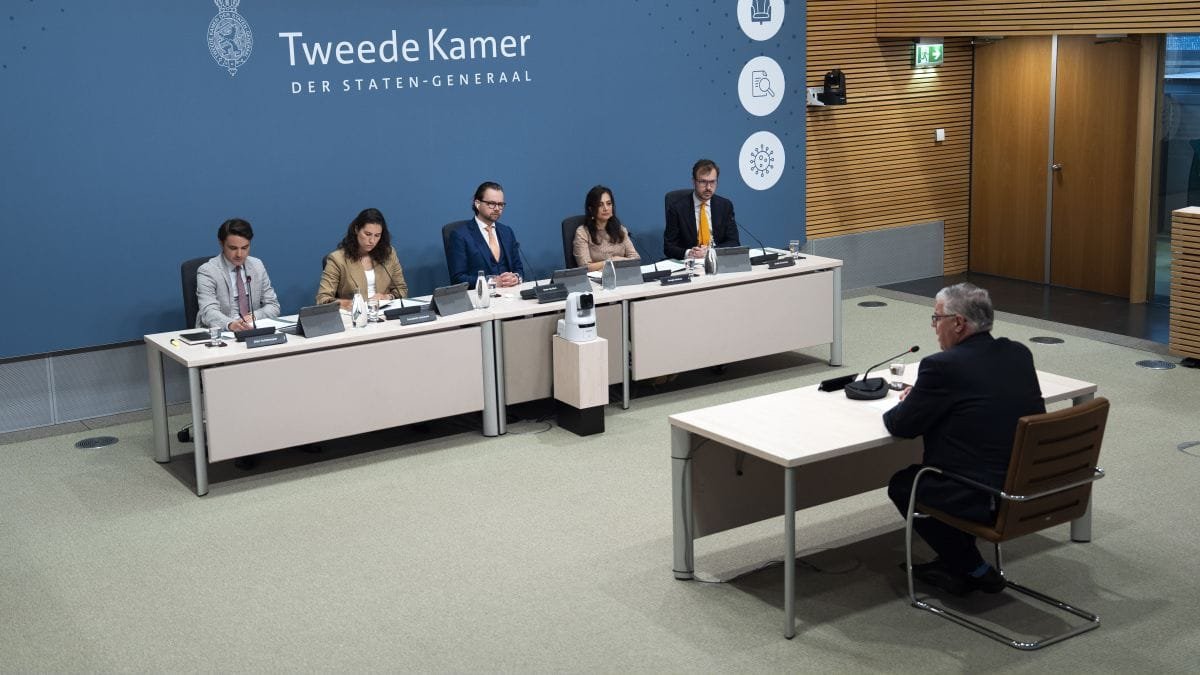
The mayors responsible for enforcing the Netherlands’ coronavirus rules agreed to present a united front on the January 2021 curfew despite having serious reservations about it, including from their own chairman, the parliamentary inquiry into the pandemic was told on Monday.
Hubert Bruls, mayor of Nijmegen and at the time chair of the Veiligheidsberaad, the body that brings together the mayors heading the country’s 25 safety regions, said the curfew had been “extraordinarily far-reaching”.
“You rob people of a fundamental right without properly showing why,” he told the commission.
Bruls said he had come round to the measure because of its indirect effect, making travel harder and so discouraging the gatherings where many infections were happening. But he had never been comfortable with it. “It was a real struggle,” he said, “and I was never happy with it.”
United front
The 25 regional chairs were divided, and some feared the unrest that later materialised. They could not all be persuaded, Bruls said, but agreed to present a united front. “We did not really share the conviction that this was the right measure down to the core.”
He defended the curfew as easy to police but conceded he could not show it had worked. “It worked quite well as a measure,” he said. “Whether it was effective, I cannot supply that proof.”
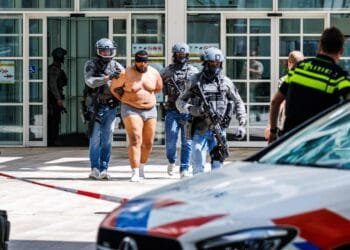
The curfew, which ran from 9pm to 4.30am and lasted just over three months, triggered riots in several cities within days of taking effect. Bruls described them as the result of building pressure, “the last straw”, and said the period had been a heavy one for many mayors.
“Appalling”
He criticised mayors who said they would stop enforcing the rules, calling it “appalling”.
In the afternoon the inquiry heard from Mark Roscam Abbing, a senior civil servant appointed in October 2020 to focus on the long-term social impact of the pandemic.
He told the commission that no record had been kept of the informal meetings, including those at the prime minister’s Catshuis residence, where the response was discussed, and defended the practice. “I think it is very important to be able to exchange thoughts informally,” he said. “Otherwise people no longer dare to float silly ideas.”
The curfew has its own dedicated week of hearings later in the inquiry. Former prime minister Mark Rutte is due to appear on Friday.