




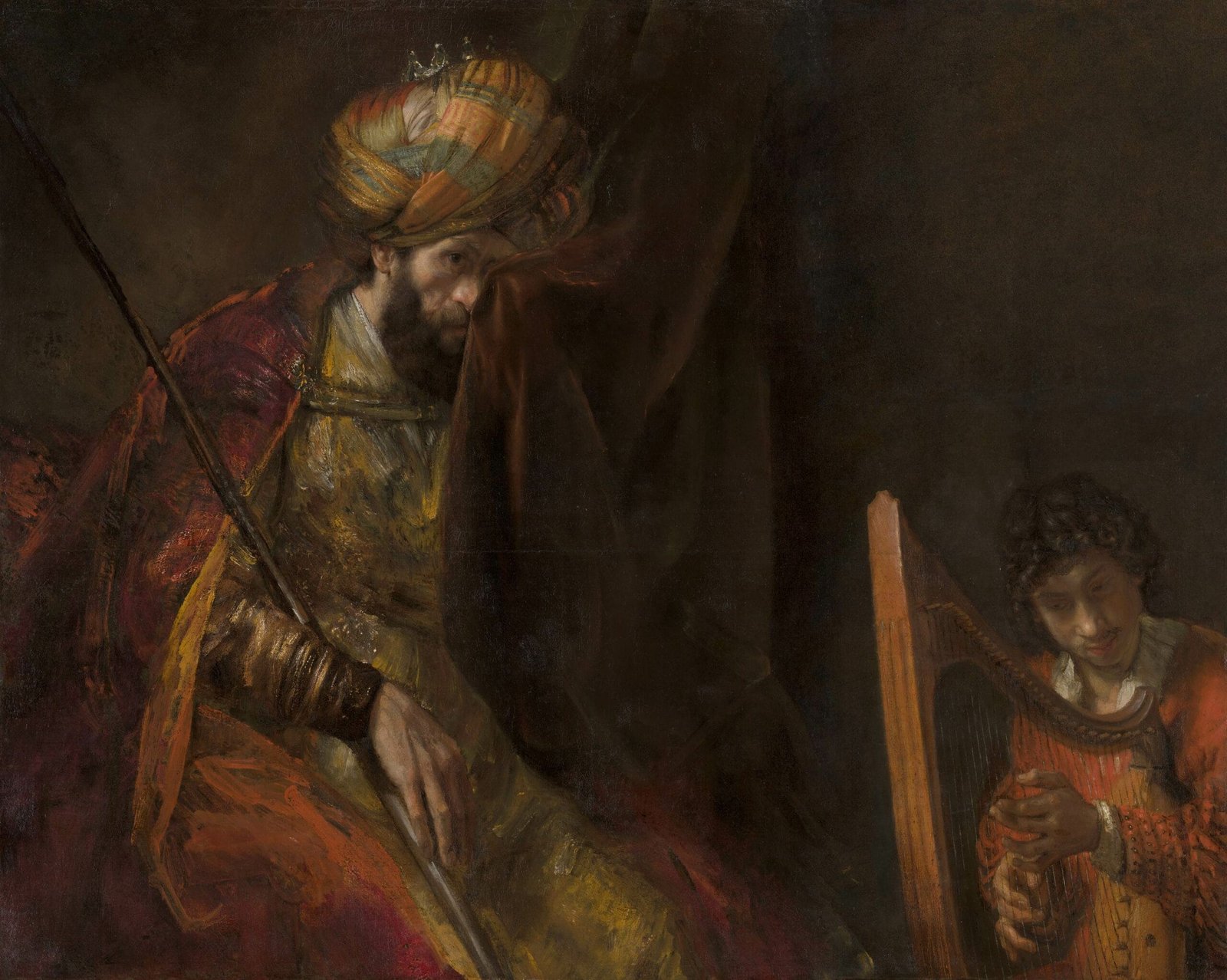
The Mauritshuis museum has been told it can keep 25 priceless works by artists including Rembrandt, Jan Steen and Jan van Goyen after a court threw out a claim by a prestigious donor’s heirs.
The family of Abraham Bredius, a renowned art historian who was the museum’s director between 1889 and 1909, complained that they had breached the terms of his legacy by not putting the paintings on permanent display.
The case began when Bredius’s heirs, Otto and Sophia Kronig, visited the museum five years ago and found only a handful of the works hanging in the galleries. They started legal action against the Dutch government, asking for the paintings to be returned to them.
Among the collection of 17th-century artworks are Rembrandt’s paintings Saul and David and Two African Men, one of the few depictions of free black Africans in Renaissance Europe.
The dispute revolved around a single sentence in Bredius’ will, which was written in French at his home in Monaco, in which he said the Mauritshuis could retain the works on condition that they were not loaned out.
The document said the works “devront rester exposés exclusivement dans ledit Musée”. Both sides hired Paris-educated lawyers who disagreed on the precise meaning of the words.
“Room for uncertainty”
The family argued that “rester exposés” meant the paintings were required to be displayed permanently. But according to the government’s interpretation, Bredius said the Mauritshuis had an exclusive right to exhibit the works, but was not compelled to do so.
The district court in The Hague said there was “some room for uncertainty” in the translation of Bredius’s will, but it did not represent an “absolute obligation to exhibit” the paintings.
Otto Kronig said he had instructed his lawyers to appeal against the judgment. “The court did not base its ruling on what Bredius wrote, but what museums currently think is practical.”
Bredius, who had no children, left his estate to Joseph Kronig, a close friend and protégé, who was the great-uncle of Otto and Sophia.
His reputation as an art historian was dented when it emerged in 1945, a year before he died, that a painting he had endorsed as a genuine Vermeer in was in fact created by the notorious art forger Han van Meegeren.