


After years of debate, the European migration pact comes into force on Friday. So what does it mean for refugees, the Netherlands and further afield?
What changes in the Netherlands?
The EU migration pact states that all applications for asylum must be dealt with within six months, compared with the current average in the Netherlands of two years.
The immigration service IND has now simplified its proceedings and said that it will focus on new applications first. That means people already in the system – over 54,000 of them – will have to wait longer for their cases to be assessed. The government has set a three-year deadline for finalising their cases.
Critics expect the new system to lead to more court cases. In addition, they warn, the Dutch decision to bring in a two-tier system – first put forward by the previous government – will also boost legal appeals. The two-tier system differentiates between refugees who are appealing for refugee status because they face persecution in their home country, and people who are fleeing war.
What does the pact mean for Ter Apel?
Ter Apel in Groningen province is the first port of call for all new asylum seekers in the Netherlands and has been grappling with overcrowding for years.
In theory the new system should lead to fewer refugees arriving in Ter Apel because they will first be assessed at the EU borders, such as Greece and Italy. Although Schiphol is considered an EU “border”, relatively few asylum seekers arrive by plane.
If asylum seekers do report for help in the Netherlands but arrived in Europe in another EU country they can be sent back to that land for assessment. This regulation already applies but southern EU countries have been reluctant to accept returnees. The new pact reinforces the Dublin rules requirement.
In return, other EU states have pledged to help the southern countries with money or by accepting refugees – a total of 30,000 this year. The Netherlands has said it will provide financial support and this is calculated according to GDP and the size of the local population.
Experts suggest this part of the pact – the reluctance of most EU countries to accept refugees – is the most vulnerable part of the regulations.
What changes for asylum seekers?
Asylum seekers will go through an initial seven-day “robust” screening at the border and their details will be stored in the EU’s Eurodac database. That screening will decide if they can proceed with their request or not. Those who are considered unlikely to be granted asylum will go through a 12-week fast-track procedure. If they fail to win approval, they will have to return home.
This, however, is considered another weak link in the procedure because many countries refuse to cooperate with taking their nationals back. Later this year the EU is aiming to introduce “return hubs” outside the EU where rejected asylum seekers will be sent if they cannot or refuse to go back.
How many refugees are we talking about?
In total, 24,100 people applied for refugee status in the Netherlands last year, 8,000 fewer than in 2024, national statistics office CBS said in January.
At the same time, however, 16,500 family members came to join relatives in the country, a rise of 39% on the previous year and the highest number since 2013, when these figures were first registered by the CBS.
Last year, 669,365 asylum seekers applied for international protection in EU countries, down by 27% compared with 2024.
IND chief Rhodia Maas said this week that the migration pact is “no guarantee” that fewer refugees will come to the Netherlands.
Will the pact help end the shortage of beds for refugees in NL?
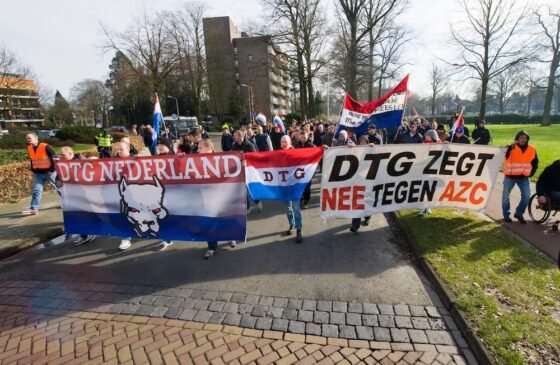
Refugee settlement agency COA must provide 103,000 beds for refugees in the Netherlands this year. About 80,000 beds have been allocated, leaving a shortfall of 23,000. Growth in the number of local refugee centres has stagnated following over a year of often violent protests.
According to documents provided by COA earlier this year, 100 of the Netherlands’ 342 local authority areas have still failed to provide any beds at all, even though legislation requires every town and village to do their bit.
Currently, some 19,000 of the 84,000 refugees living in official asylum centres in the Netherlands – whether permanent or emergency – have been given residency permits and are waiting to move to an ordinary home.
However, the housing crisis and shortage of council-provided accommodation means they are stuck in limbo.