



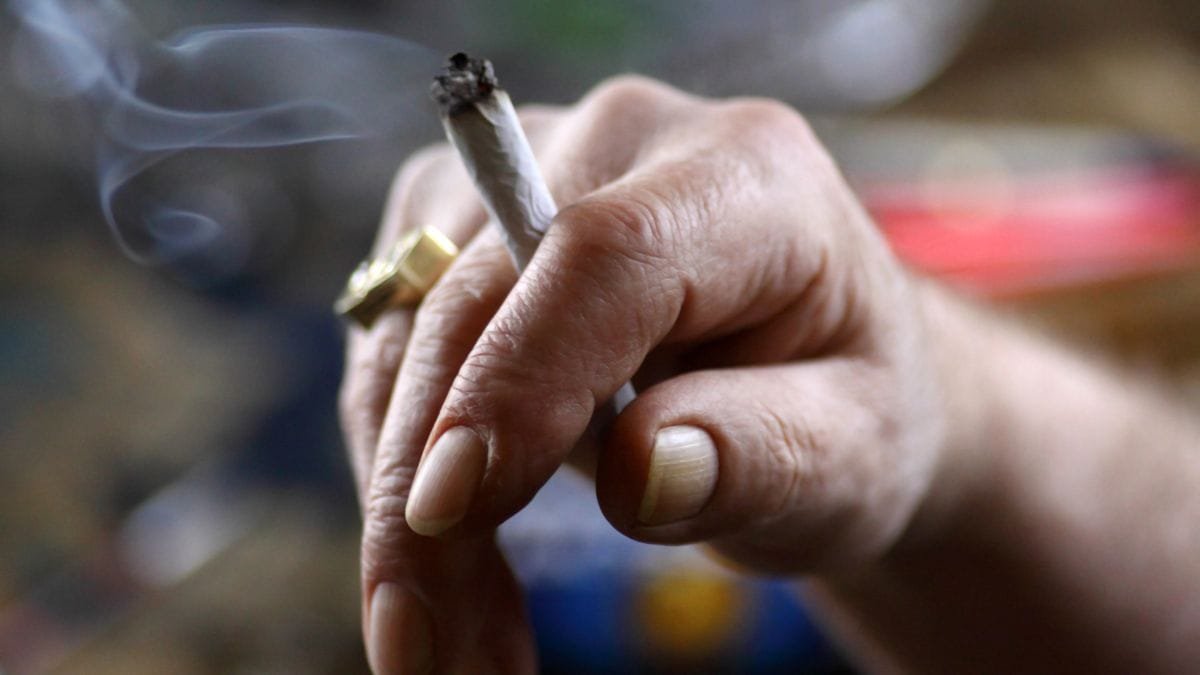
A care home in Nijmegen is allowing dozens of older residents with addiction problems to drink alcohol and smoke cannabis in agreed daily amounts, in an approach its doctors say is meant for people who fall through the gaps in regular care.
Residents of the unit, run by the Nijmegen care organisation De Waalboog, receive ordinary nursing care alongside a controlled amount of alcohol, cannabis or methadone, broadcaster NOS reported this week. The unit, Zilverspar, opened in November 2025 and has 36 rooms.
Older people with an addiction often cannot get a place in a regular care home, but have too many age-related problems to stay in mental health care or supported addiction housing, said Ewoud de Jong, a doctor at the home. “We see that older people with an addiction often fall between the cracks,” he said.
A daily necessity
Some residents drink or smoke a joint, but the quantities and the times are fixed by agreement between residents and carers, De Jong said. The substances are “a kind of daily necessity” for residents, he said, “but with regulated use”.
One resident, Door, who was addicted to cocaine and heroin for years, now takes methadone twice a day, a substitute medication used to help wean people off hard drugs. Residents are free to come and go as they please.
Alcohol remains the most common addiction treated by Dutch specialist services and is especially prevalent among older people.
Praise and caution
The approach has drawn cautious support from healthcare professionals. Bianca Buurman, who chairs the association for nurses and carers (V&VN), said nursing homes often lacked knowledge of psychiatric conditions while addiction and mental health services lacked expertise in physical complaints. Combining them could be an improvement, she said.
Others are more wary. Wilco Sliedrecht, chair of the association of addiction doctors (VVGN), warned against treating managed supply as the easy option. “Addiction is often a survival strategy for people who see no point in life without the numbing effect of drugs,” he said.
He wants the approach reviewed every six months and residents still encouraged to cut down or quit, arguing that underlying problems such as depression or trauma are often the real issue.
De Waalboog said residents’ progress was discussed weekly, but that the aim was their wellbeing and regulated use rather than abstinence. “If a resident does so well that quitting turns out to be a feasible option, that is a bonus, but it is never the goal,” it said.
If you are concerned about your own or someone else’s use of alcohol, drugs, or gambling, the Jellinek addiction helpline can be reached on 088 505 1220 or at jellinek.nl. The line is staffed in Dutch and English on weekdays, 1pm to 5pm.