




See more DutchNews articles in your Google search results
See more DutchNews articles in your Google search results
Add as a favourite source on Google Add DutchNews as a favourite source on Google
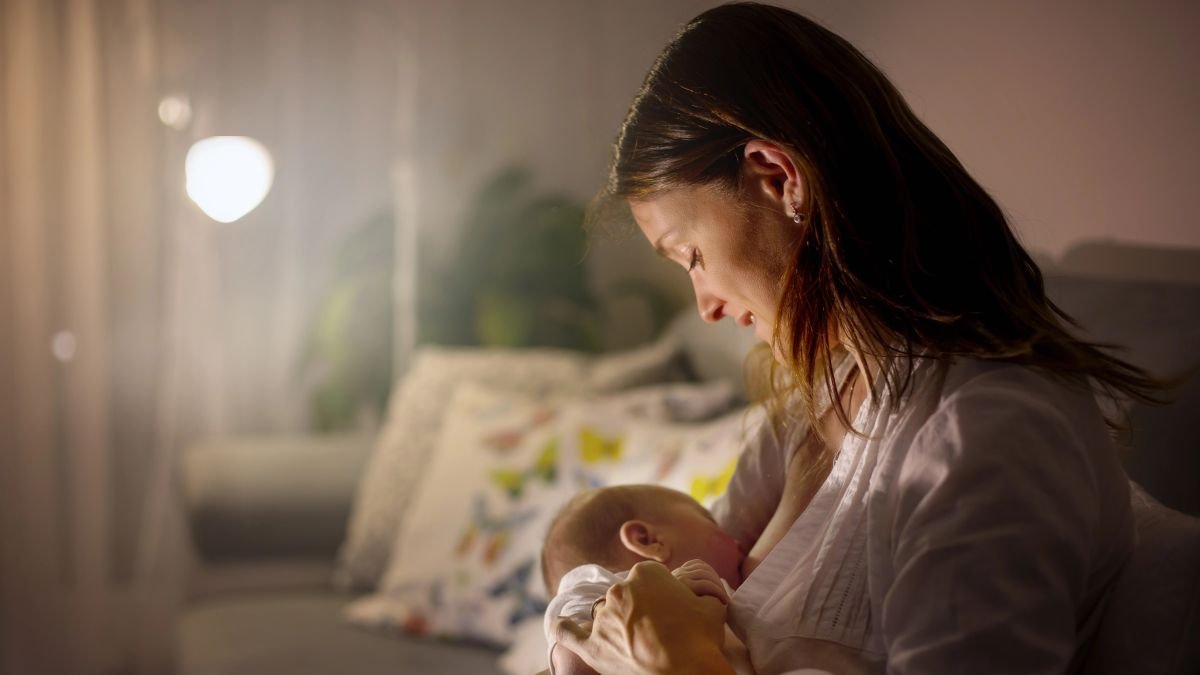
One-fifth of breastfed babies in the Netherlands receive excessive amounts of PFAS chemicals in their mothers’ milk, according to research commissioned by the public health agency RIVM.
PFAS were found in all 1,629 samples of breast milk tested by RIVM scientists, with 18% containing amounts above the safe level. Lead researcher Joke Herremans called the results “shocking”.
PFAS is a collective term for a group of 29 chemicals used in products such as shampoo, food packaging, cosmetics and paint, which are known as “forever chemicals” because they take an extremely long time to break down.
Their presence in the environment has been linked to cancers and hormone disorders, while high quantities can damage babies’ immune systems, making them more prone to disease and diminishing the effect of vaccines.
The RIVM said two types of PFAS, known as PFOS and PFOA, were present in nearly every sample and four types were in 93%, but another 21 types were hardly recorded at all.
It also said the levels were lower than those found in smaller-scale samples six years ago, suggesting that measures taken by the government to reduce the commercial use of PFAS were working. PFOS chemicals have been banned since 2008, while PFOA was outlawed in 2020.
“It’s very alarming,” said Herremans. “You don’t want to find man-made substances everywhere.”
The RIVM continues to advise new mothers to breastfeed their babies if they can, not least because powdered milk also contains high quantities of PFAS.
“Breast milk contains not just important nutrients, but substances that protect against disease,” Herremans said.
She also advised women not to use commercial tests to measure the levels of PFAS in their milk. “There’s nothing you can do with the results,” she said. “They tell you how much PFAS is in it, but at the moment we haven’t set a level where we advise people to stop breastfeeding.”
Thank you for donating to DutchNews.nl.
We could not provide the Dutch News service, and keep it free of charge, without the generous support of our readers. Your donations allow us to report on issues you tell us matter, and provide you with a summary of the most important Dutch news each day.
Make a donation