




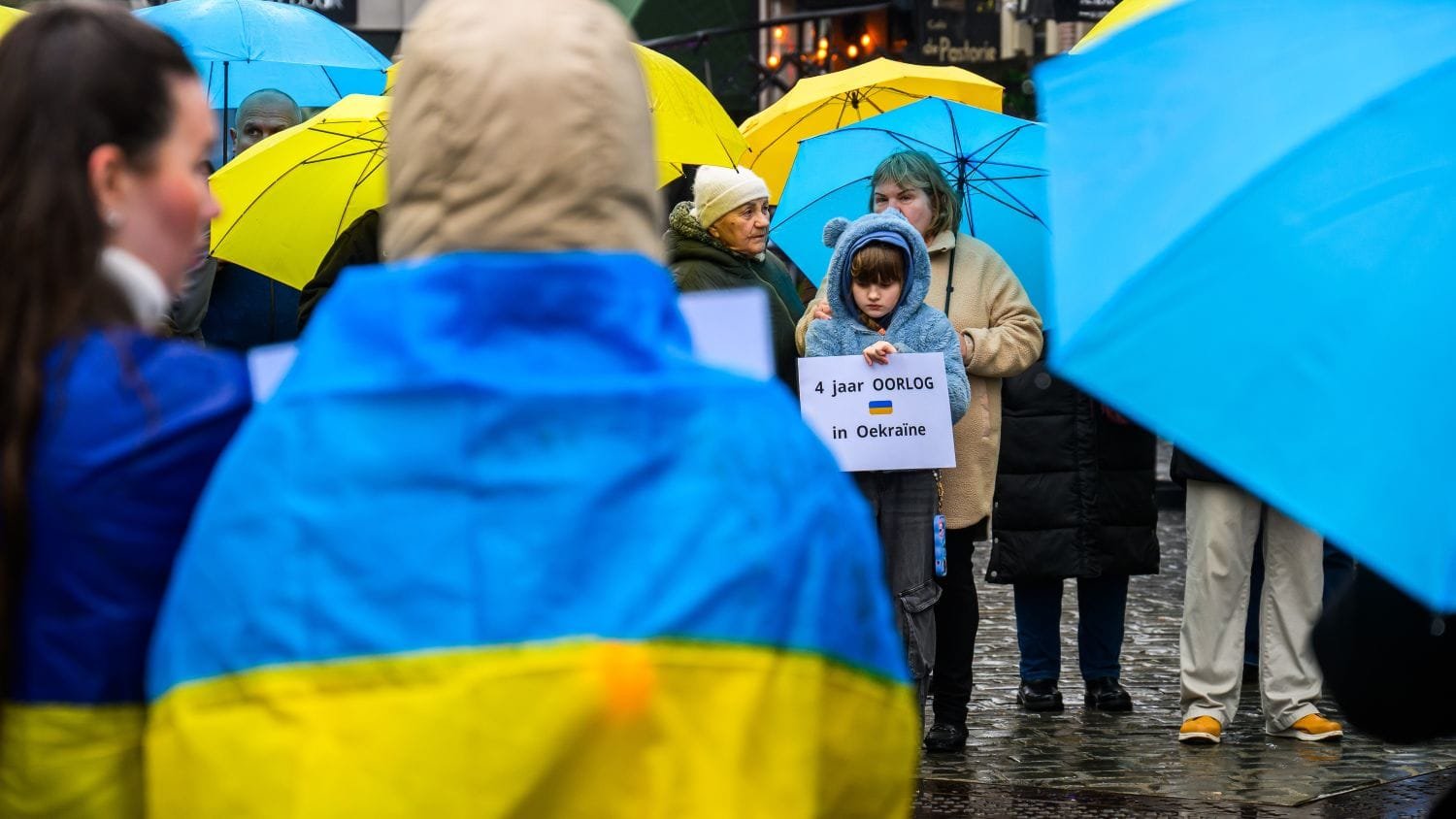
Most Ukrainian refugees in the Netherlands no longer plan to return home, even if the war in their country ends, according to a long-running study published by the justice ministry’s research institute, WODC.
The factsheet, the second wave of a panel study tracking Ukrainian arrivals, found that 43% of Ukrainian refugees in the Netherlands say they would not return even if it became safe again, while 37% are uncertain and just 21% say they definitely want to go back. Some 134,000 Ukrainians are currently registered as refugees in the country.
Three quarters of those surveyed said they would apply for a Dutch passport if it were possible, up from 68% when the same people were first asked two years earlier.
Among the smaller group who at both points planned to stay in the Netherlands for the next two years, the share who said they would not return even if Ukraine became safe rose from 31% in 2023 to 50% in 2025.
Younger and working people most likely to stay
Younger arrivals and those in work are the most strongly oriented towards staying, the research shows. Some 51% of those who arrived aged between 17 and 26 said they would not return even if Ukraine became safe, against 17% of those aged 67 or over.
Among Ukrainians with a job in the Netherlands, 47% said they did not want to return, compared with 35% of those who were not working. People whose partner is in the Netherlands were also far more likely to want to stay than those whose partner is still in Ukraine.
For those who do want to return, the security situation in their home region is by far the most commonly cited factor, followed by missing Ukraine and the location of family and friends.
Temporary status running out
The findings complicate the government’s long-term policy, which is built around facilitating voluntary return.
All Ukrainian refugees currently in the Netherlands are under the EU’s Temporary Protection Directive, which gives them the right to housing, healthcare, schooling for their children, and to work and study. The directive is due to expire on 5 March 2027.
Under cabinet plans announced in November, holders will then move onto a three-year transitional residence permit and begin paying rent and health insurance contributions on the same basis as other residents.
The researchers noted that more than half of Ukrainian refugees often worry about whether they will be able to stay. Clarity about long-term prospects, they said, would help refugees make decisions such as whether to invest time in learning Dutch.