




See more DutchNews articles in your Google search results
See more DutchNews articles in your Google search results
Add as a favourite source on Google Add DutchNews as a favourite source on Google
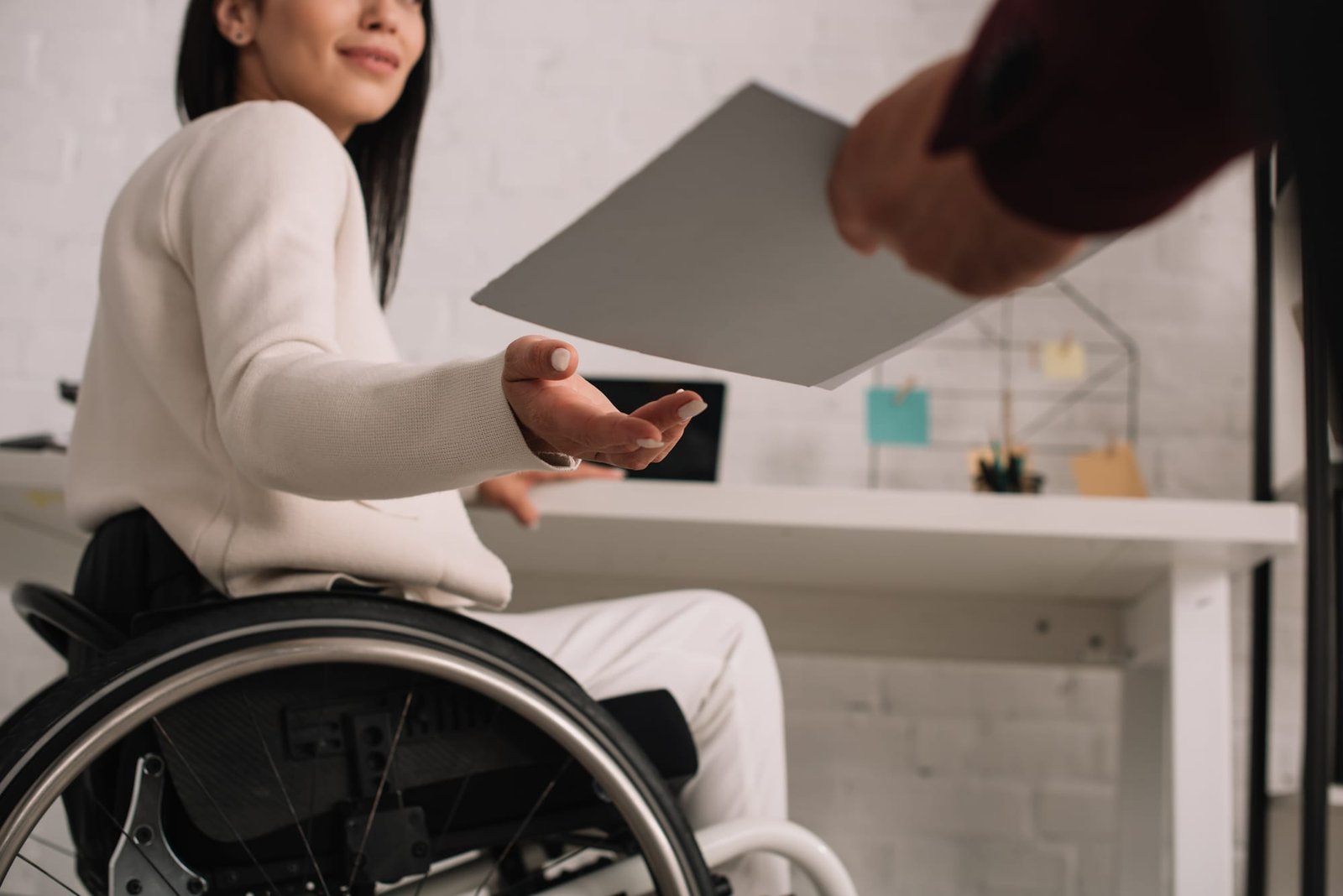
The Dutch government is failing to live up to its commitments to ensure equal opportunities for disabled people, leaving many struggling financially, the human rights watchdog CRM has said.
More than a quarter of disabled people say they are disadvantaged on the labour market, while one-third have trouble arranging suitable care or support and 35% worry they will not have enough money in the future.
Ten years ago the Netherlands signed the UN Convention on the Rights of Persons with Disabilities (CRPD), promising to take an active role in protecting disabled people and providing equal access to society.
But in practice it is not doing enough to ensure equal opportunities in the workplace, education and online, according to a survey of 1,800 disabled people by the College voor de Rechten van de Mens (CRM).
Chairman Rick Lawson said the financial vulnerability of disabled people was a particular concern. “For many people with a disability, money worries go further than not having an income.
“It’s about specific concerns about cuts to benefits, rising healthcare costs, tax credits or the cost of equipment that they depend on. It’s because people with disabilities are finding obstacles in several areas at the same time that their worries often pile up.”
Two years ago the UN criticised the Netherlands for not drawing up a strategy to realise its promises under the convention, such as updating laws and taking action to prevent postcode lotteries caused by councils pursuing different accessibility policies.
A survey at the end of 2024 by CRM found just 6% of government websites and apps met accessibility standards such as adding subtitles to videos and click-free navigation options. Banks, healthcare services and educational institutions also fell short.
The current government announced plans to cut the long-term disability benefit WIA and raise the own-risk or deductible charge for healthcare. Disability rights organisation Ieder(in) said disabled people were bearing the brunt of the coalition’s target of cutting €6.5 billion from the welfare bill.
Thank you for donating to DutchNews.nl.
We could not provide the Dutch News service, and keep it free of charge, without the generous support of our readers. Your donations allow us to report on issues you tell us matter, and provide you with a summary of the most important Dutch news each day.
Make a donation