




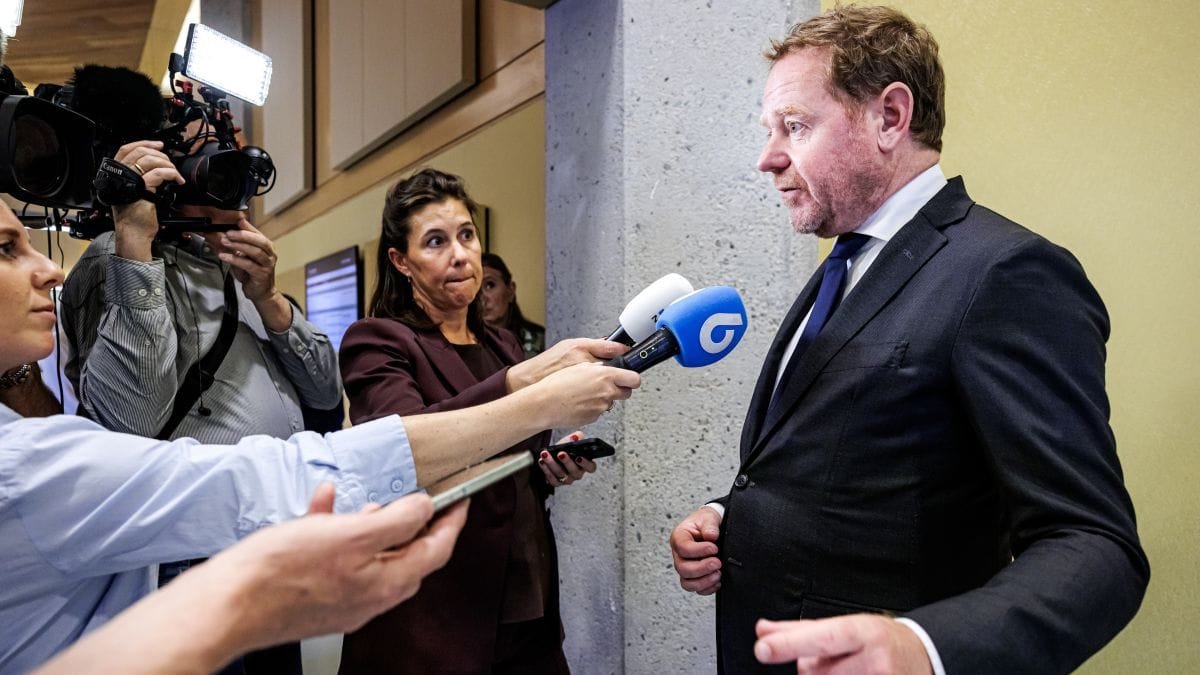
MPs have voted overwhelmingly to approve an extradition treaty between the Netherlands and Morocco, which ministers say will strip criminals of a popular safe haven abroad and which prosecutors hope will help them reach associates of jailed gang leader Ridouan Taghi.
The treaty, signed in Rabat in December 2023, allows each country to request the extradition of suspects and convicted criminals for offences that carry a prison sentence of at least one year in both countries, such as murder, manslaughter and money laundering.
Justice minister David van Weel said the agreement takes away “a piece of the safe haven” used by criminals. The senate still has to approve the treaty, but the size of Tuesday’s majority means it is not expected to fail there. Morocco’s parliament has already ratified it.
Morocco does not, in principle, extradite its own citizens, including people with dual nationality. In those cases, Van Weel said, the treaty obliges Morocco to prosecute suspects itself. “If they do not extradite, the treaty contains an obligation to hand the case over to their own public prosecution service,” he said. “That in itself has a deterrent effect.”
VVD MP Ulysse Ellian said the treaty “will deliver a great deal”, pointing to “big fish” linked to Taghi, who is serving a life sentence for ordering a series of underworld killings.
They include Taghi’s sister, who is thought to be in Morocco. “Several criminal organisations we have in our sights have suspects living in Morocco,” public prosecutor Ferry van Veghel told broadcaster NOS.
Taghi shootings
Morocco’s willingness to cooperate stems largely from a 2017 shooting in Marrakesh, NOS Morocco correspondent Samira Jadir said. Two Dutch hitmen, allegedly acting on Taghi’s orders, shot dead the son of a Moroccan judge after mistaking him for their intended target, the café’s owner.
The killing caused a shock in Morocco comparable to the murders of lawyer Derk Wiersum and crime journalist Peter R. de Vries in the Netherlands, Jadir said. The two gunmen were sentenced to death by a Moroccan court.
MPs also passed a motion requiring the Netherlands to refuse extradition where there are indications someone is being prosecuted for political reasons. Van Weel said human rights are always assessed before anyone is handed over.
The Netherlands already has an extradition treaty with the United Arab Emirates and is working on one with Colombia. “We are going to turn up the heat on them everywhere,” Van Weel said.