


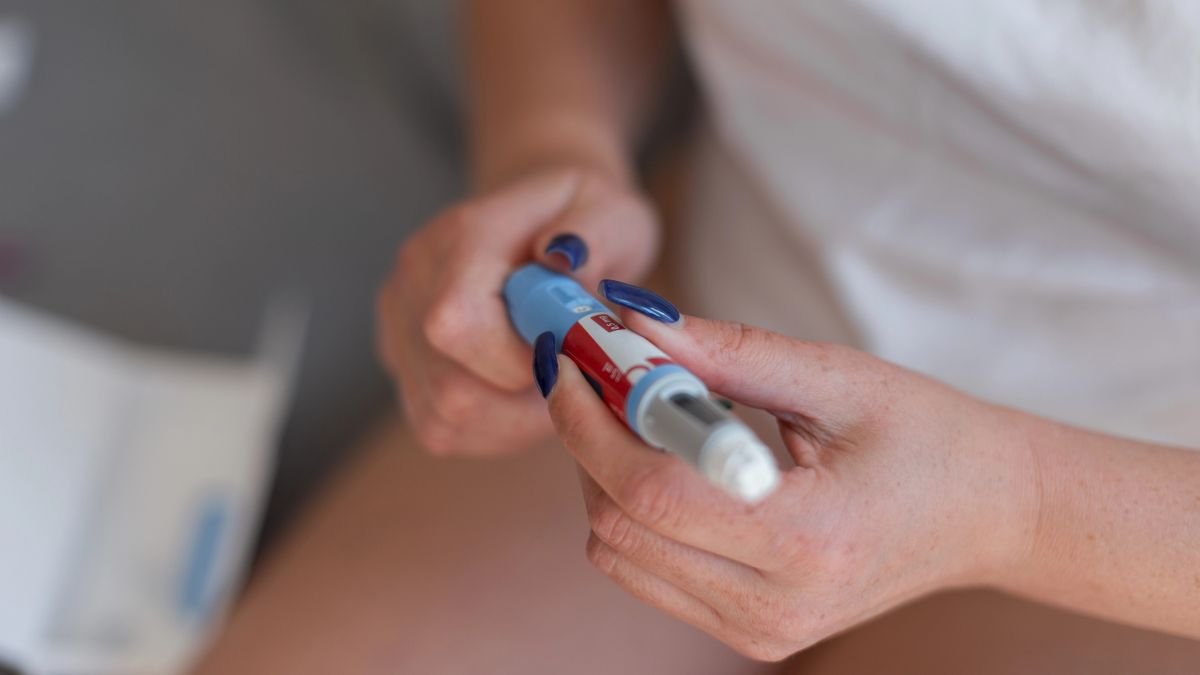
Reports of people being poisoned by injectable weight-loss drugs nearly doubled in the Netherlands last year, and toxicologists are warning that a more powerful, unapproved version is spreading online.
The national poisons centre (NVIC), part of UMC Utrecht, was consulted for about 149 cases involving the drugs in 2025, up from 76 the year before, according to its annual review.
About half the reports involved dosing mistakes, such as injecting a weekly dose every day, while 40% concerned people using the drugs without a prescription to lose weight. Most were the appetite-suppressing GLP-1 medicines sold under brands such as Ozempic and Wegovy.
The centre is most concerned about a new, more powerful drug called retatrutide, nicknamed “triple G”, which is not approved by European or US regulators and cannot legally be prescribed. It logged its first six reports in 2025 and another 12 in the first five months of 2026, all involving drugs obtained informally or bought online.
“Triple G is a powerful variant, and that worries us. If you use it without supervision, you can easily overdose,” ageing biologist Peter de Keizer of UMC Utrecht told broadcaster NOS.
Symptoms of poisoning are usually gastrointestinal – nausea, vomiting and stomach and bowel complaints – though people who take too much can become severely dehydrated and need emergency care. More rarely, the drugs can cause acute pancreatitis or sudden vision loss, and prolonged use without lifestyle changes can lead to loss of muscle mass.
Use of weight-loss drugs has surged, with around 80,000 people in the Netherlands now taking them. The regulated versions mostly cause stomach and bowel complaints, but the centre says products bought online are untested and impure and their effects unknown.
NVIC head Dylan de Lange, an intensive-care toxicologist, told NOS the list of acute and long-term health risks from drugs ordered online was endless. “People really need to become more aware of this,” he said.
Thank you for donating to DutchNews.nl.
We could not provide the Dutch News service, and keep it free of charge, without the generous support of our readers. Your donations allow us to report on issues you tell us matter, and provide you with a summary of the most important Dutch news each day.
Make a donation