




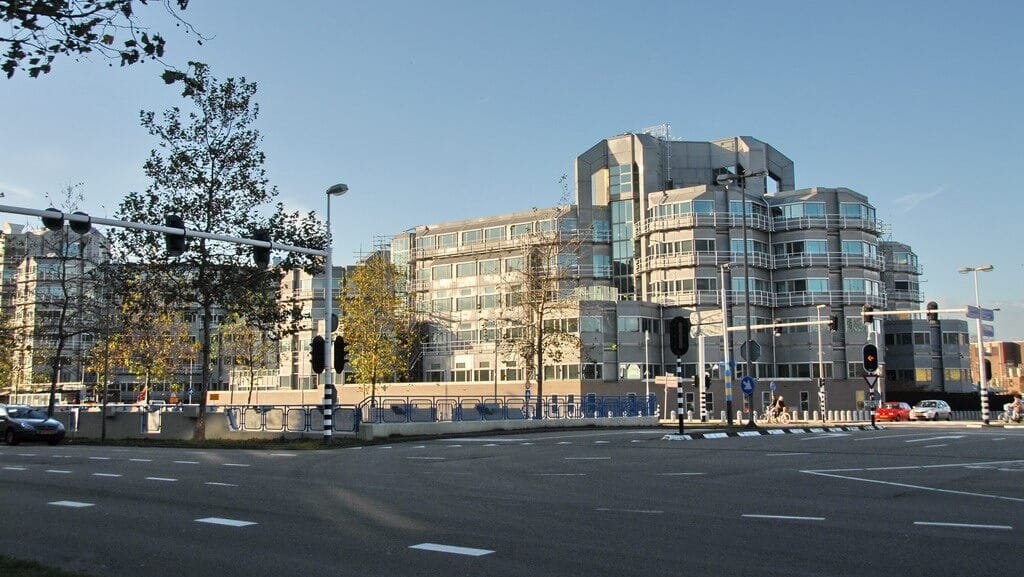
Independent watchdogs responsible for monitoring the Netherlands’ secret service agencies are sounding the alarm about potential new powers that would allow them to surveil citizens far more easily with far less oversight.
The plans, which were set out by defence minister Yesilgöz recently, include allowing the domestic and military (AIVD and MIVD) intelligence services to track and collect data on anyone considered a threat without gaining prior permission.
This is intended to fight “obvious adversaries” she said, referring to foreign states like Russia and China and non-state attackers conducting cyber attacks on Dutch infrastructure.
But Hugo Hillenaar, chairman of the CTIVD, which checks whether the services have acted lawfully, has said the changes could threaten the democratic rule of law itself.
Currently the AIVD and MIVD must request permission to track individuals every three months. If the proposed changes go through, they will be able to designate entire organisations as enemies. This would extend to any other body seen to be collaborating with them, like universities.
“If a university collaborates with an organisation designated as an adversary, it is no longer separately assessed whether an investigation into, for example, an employee of that university is actually necessary,” Hillenaar told broadcaster NOS.
The watchdogs are also worried about what the law calls bulk datasets: large collections of data on many people, most of whom are not under investigation. The services can get hold of them by tapping an undersea internet cable, or by buying data that hackers have stolen and put up for sale.
“Think of the data from a national health screening programme, or from the Odido hack,” Hillenaar said. “That includes information about a great many people who have nothing to do with espionage or terrorism. You should not want that data to be used without limit in investigations, or shared with foreign intelligence services.”
The bill would also let the services run AI over a bulk dataset before anyone has decided whether the services’ own staff are allowed to look at it.
“The supervisors are really sounding the alarm,” said former AIVD officer and supervisor Bert Hubert. “I have never seen them so critical and I understand very well that they are concerned about human rights.”
Thank you for donating to DutchNews.nl.
We could not provide the Dutch News service, and keep it free of charge, without the generous support of our readers. Your donations allow us to report on issues you tell us matter, and provide you with a summary of the most important Dutch news each day.
Make a donation