


Moving to the Netherlands means picking not just a country but also a city, and in 2026 that choice matters more than it used to. Rents in the unregulated sector rose 7.3% nationally over the past year, according to the latest Pararius Huurmonitor, pushing the average to roughly €21 per square metre. But that average hides a lot of variation. Amsterdam, Rotterdam, Utrecht, The Hague, and Eindhoven, the so-called G5, each behave quite differently right now, and the gap between them is worth understanding before you commit to a lease.
Here’s how the five compare.
Amsterdam is still the most expensive place to rent in the country by a wide margin, at €28.53 per square metre after a further 5.1% rise this year. That premium buys you the strongest job market for tech, finance, and creative roles, plus the density of international life that draws people here in the first place. An 80m² apartment typically runs €2,300 to €2,500 a month before utilities. If your work is anchored in the city, it’s worth starting your search among the apartments in Amsterdam currently listed.
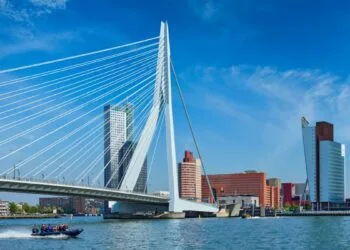
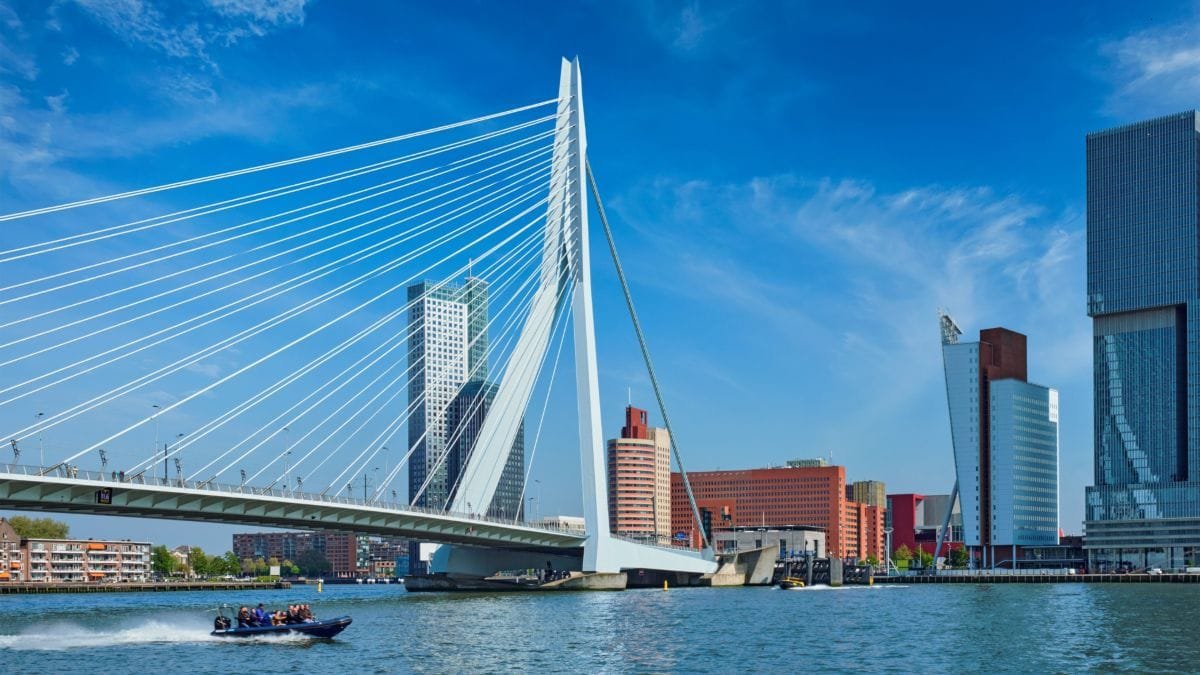
Rotterdam had one of the sharpest price increases of any G5 city this year, up 10.4% to €22.78 per square metre, and it’s still noticeably cheaper than Amsterdam for comparable space. The city’s pull comes from its modern skyline, its logistics and maritime industry, and an international business culture that doesn’t feel like a smaller copy of the capital. You’ll generally get more square metres for your budget here. Current listings for apartments in Rotterdam are a reasonable place to gauge what that looks like in practice.
The Hague rose 6.5% in price this year to €22.42 per square metre and remains a common choice for people working at the international courts, embassies, or corporate headquarters based there. It has a slower pace than Rotterdam or Amsterdam, more green space, and the coastline is a short cycle away. Neighbourhoods range from the stately Statenkwartier to livelier, more central pockets, so it’s worth browsing a spread of apartments in The Hague before narrowing down an area.
Utrecht climbed 5.9% to €21.61 per square metre and sits at the literal centre of the country’s rail network, which matters more than it might sound. The city has the Netherlands’ largest university, a well-preserved medieval core, and a train commute of 30 minutes or less to nearly any other major Dutch city. That combination of culture and connectivity keeps competition for listings tight. Have a look through apartments in Utrecht to see what’s currently on the market.
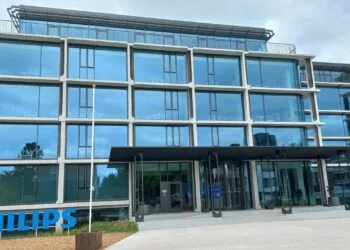
Eindhoven posted the second-largest increase in the G5 this year, up 10.0% to €19.55 per square metre, still the most affordable of the five despite that jump. The city runs on ASML, Philips, and a wider “Brainport” ecosystem of tech and engineering firms, which explains why it draws a heavily specialised international workforce. If that’s your field, apartments in Eindhoven are where to start looking.
What this means for your search: In a market this tight, landlords generally expect a gross income of three to four times the monthly rent, and they’ll want to see it upfront. Have your employment contract, recent payslips, and a short summary of your rental history ready before you start applying, since properties in demand can be gone within days. Pararius only lists properties from verified, professional agents, which at least removes one layer of risk from an already competitive process. You can view all listings here.