

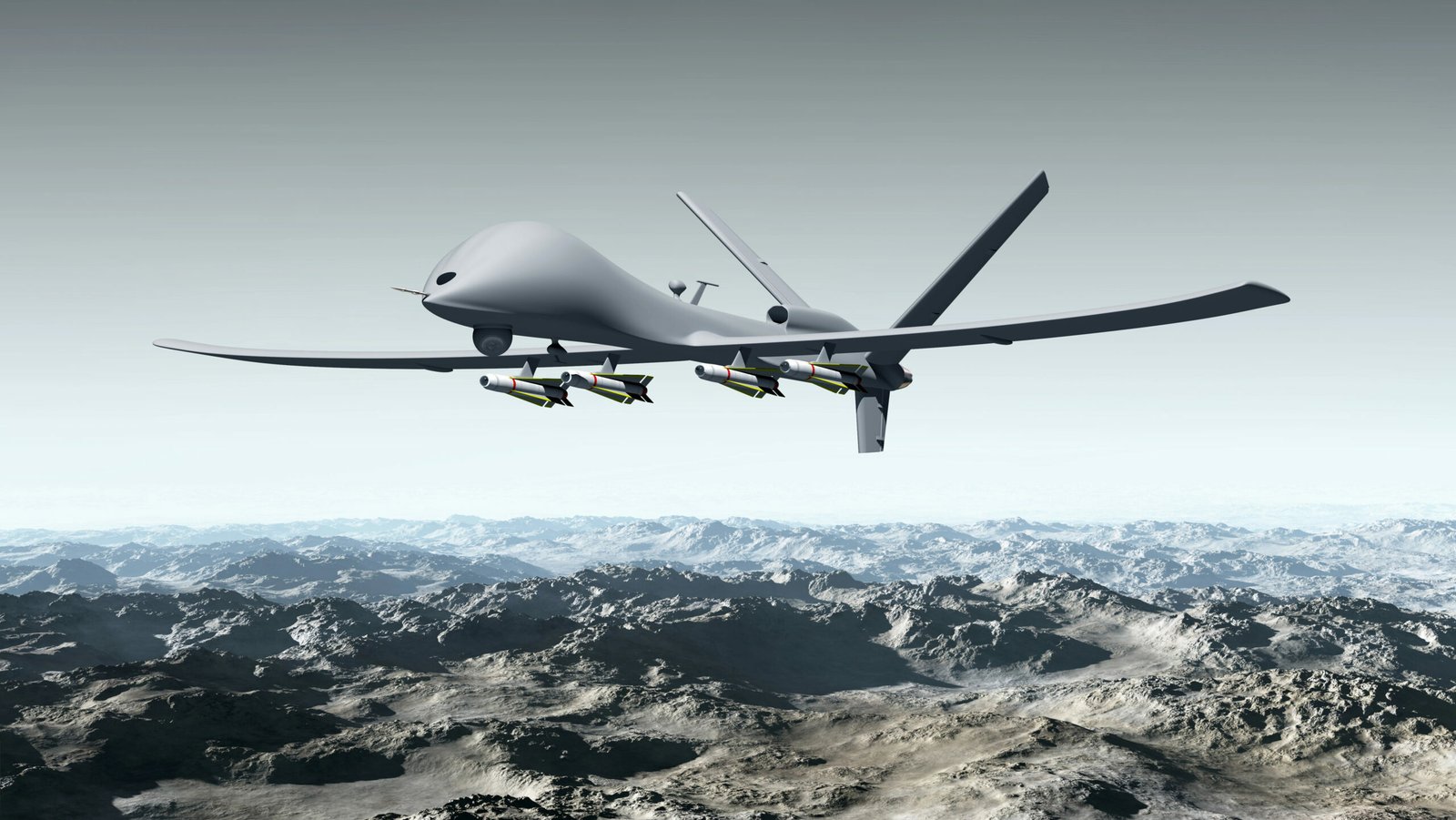
The Dutch armed forces are to invest heavily in “drone on drone” defensive systems in response to the rapid development of unmanned warfare, according to a briefing paper seen by NOS.
The government is also considering “selective conscription” if not enough volunteers sign up to fight in a war and plans to recruit around 1,000 extra military police (Marechaussee) to guard the border, as well as buying more tanks and aircraft.
The confidential paper, titled “Samen Voorwaarts” (forward together), sets out the cabinet’s priorities as it looks to meet the new Nato spending target of 3.5% of GDP, equivalent to between €16 billion and €19 billion per year.
A further 1.5% is supposed to be spent on critical infrastructure, a wider category that includes bridges, roads, the electricity network and cybersecurity.
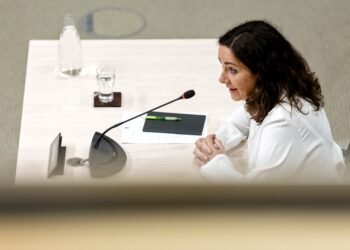
Defence minister Dilan Yesilgöz and junior minister Derk Boswijk are due to present the paper on Monday afternoon.
The ministers say defence spending needs to increase to meet growing challenges such as Russian aggression, the greater role of China in global politics, terrorism and the potential of climate change and food shortages to spark conflicts.
The paper does not specifically mention the Trump administration’s attitude to Europe, but comments: “The geopolitical rules and international relations are changing and the right of the strongest is back.”
Innovation lab
The main focus is on unmanned defence, with the cabinet setting a target of achieving more than half of “operational effects” with unmanned systems within five years.
The development reflects the rapid increase in the use of drones in Ukraine, where innovations have created a 20km “kill zone” on the front line and helped the Ukrainians push back more effectively against Russian advances in the last year.
The ministers want to create a laboratory to develop more effective and cost-efficient drones, as well as other automated systems such as unmanned ships.
New technology would make the army less reliant on expensive and relatively inefficient air defence systems such as Patriot missiles, which cost far more to operate than the drones they are shooting down.
The cabinet still sees an important role for personnel and more established forms of military hardware. The ministers plan to purchase more F-35 fighter jets for the air force and expand the navy’s fleet of NH-90 helicopters.
The army’s heavy mechanised brigade, which includes tanks, will be strengthened, as will the air assault brigade, while a fourth combat battalion will be added.
Selective conscription
The paper also sets out plans to create an extra 10 squadrons of military police to carry out duties such as border patrols and the introduction of “selective conscription”.
The latter is seen as an option to meet the cabinet’s target of expanding the military payroll to 122,000 in the next four years, when there are currently only 80,000 volunteers.
Boswijk first proposed selective conscription in parliament in March, when he was criticised by left-wing opposition parties who asked if teenagers would be jailed if they refused the call-up. He said: “I hope compulsion is not necessary, but I can’t rule it out.”
A recent survey for the Clingendael think tank found that just under half (48%) of 18 to 35-year-olds were prepared to fight for their country, as well as around 50% of people aged 35 to 64.
Everyone aged 17 to 45 is eligible to be called up and receives a letter to that effect, but active service was abolished in the Netherlands in 1997.
Nearly half of people surveyed said they did not trust the government to spend the defence budget well, while one-third thought the 5% benchmark was too high. A smaller proportion, around 7%, believed it should be higher.
“That’s a significant minority, mainly on the margins of the political spectrum,” said head researcher Bart van den Berg. “But it’s important to stay in touch with these people too.”